Every February, we explore the intriguing connections all around us. My recent discovery that January and February were not ‘assigned’ as months in the original Roman Calendar has given me a free-reign perspective on this time of the year. It feels so right to me to be moving away from setting goals and living in fear and anticipation that we must change our ways and adhere to ridiculous resolutions that fall away by the end of February anyway. I feel free to find the mythical connections in February from a different lens now.
Unveiling the Enigmatic Influence of February in Mythological Narratives
The word “February” is derived from the Latin term “Februarius,” named after the festival of purification called “Februa” or “Lupercalia” celebrated in ancient Rome.
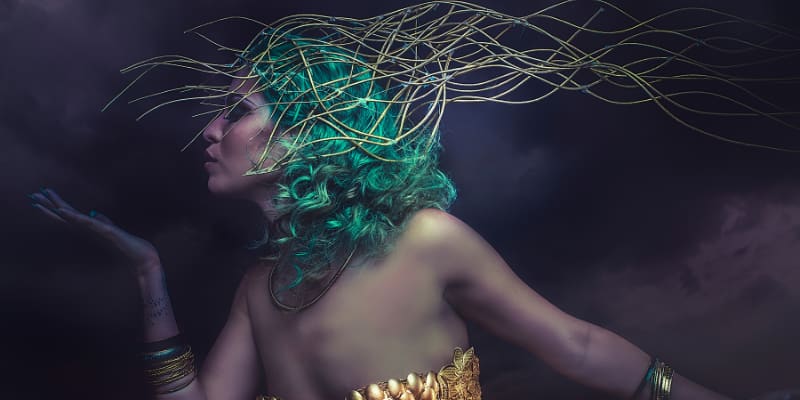
In ancient Roman mythology, Februus was a god of purification, often associated with the festival of Lupercalia celebrated in February. The festival involved cleansing and fertility rituals aimed at warding off evil spirits and ensuring the health and fertility of the community.
The month of February (as we now know it…) starts with the Pagan celebration of Imbolc, the celebration of the goddess Brigid’s birth. Imbolc is a Gaelic traditional festival marking the beginning of spring. It is observed on February 1st. Halfway between the winter solstice and the spring equinox. It is associated with the Celtic goddess Brigid, who represents fertility, healing, poetry, and smithcraft. A time for purification and the anticipation of the coming spring.
Some of the other festivals and celebrations this month are:
Chinese New Year:
While the date of the Chinese New Year varies each year, it typically falls in January or February. Chinese New Year, also known as the Spring Festival, is one of the most important traditional Chinese holidays. It marks the beginning of the lunar new year and is associated with various myths and customs, including the legend of Nian, a mythical beast that would prey on villagers until they discovered that it was afraid of loud noises and the colour red, leading to traditions such as fireworks and the use of red decorations during the festival.
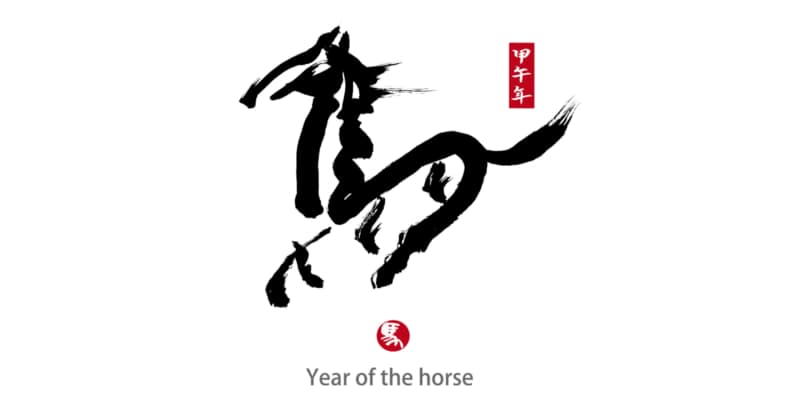
In 2026 it will fall on 17 February and we’ll be entering the Year of the (Fire) Horse

Valentine’s Day:
Celebrated on February 14th, Valentine’s Day has its roots in both Christian and ancient Roman traditions. It is named after Saint Valentine, a Christian martyr who lived in the 3rd century AD. The day became associated with romantic love during the Middle Ages in Europe, particularly through the exchange of love notes known as valentines.
Roman Festival of Lupercalia:
February is associated with the ancient Roman festival of Lupercalia, celebrated from February 13th to 15th. Lupercalia was a fertility festival dedicated to Faunus, the Roman god of agriculture, and Romulus and Remus, the legendary founders of Rome, who were believed to have been nursed by a she-wolf. The festival involved rituals of purification and fertility, including the sacrifice of goats and dogs and the whipping of women with strips of goat skin, believed to promote fertility.
Purim:
Purim is a Jewish holiday celebrated on the 14th day of the Hebrew month of Adar, which usually falls in February or March. It commemorates the deliverance of the Jewish people from a plot to exterminate them in ancient Persia, as recounted in the biblical Book of Esther. Purim is celebrated with feasting, giving of gifts, and public readings of the Book of Esther.
The Mythical Origins of February: Tracing Back to Ancient Legends and Beliefs
The ancient Roman festival of Lupercalia is celebrated from February 13th to 15th. Lupercalia was a fertility festival dedicated to Faunus, the Roman god of agriculture, and Romulus and Remus, the legendary founders of Rome, who were believed to have been nursed by a she-wolf. The festival involved rituals of purification and fertility, including the sacrifice of goats and dogs and the whipping of women with strips of goat skin, believed to promote fertility.
However, this time and the connections between this festival of Lupercalia (Februa), the Roman god Februus, and Valentine’s day also include the Greek god Eros.
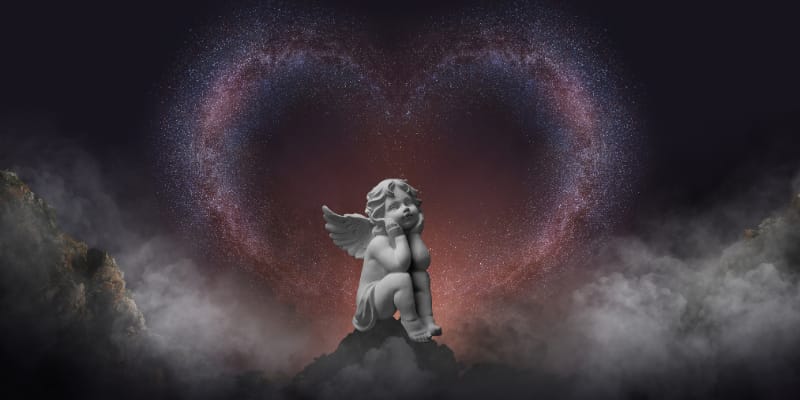
Eros, in Greek mythology, is the god of love and desire. He is often depicted as a youthful winged boy armed with a bow and arrows, which he uses to inspire love and desire in both gods and mortals. Eros is the son of Aphrodite, the goddess of love, and sometimes also of Ares, the god of war. His Roman counterpart is Cupid.
The Tale of Psyche and Eros
Eros plays a significant role in various myths and stories, including the tale of Psyche and Eros. In this myth, Eros falls in love with Psyche, a mortal princess, and their love story involves trials and tribulations. Eventually, they are reunited and granted immortality.
The connection between Eros and February is often drawn through Valentine’s Day, celebrated on February 14th. Valentine’s Day is a modern holiday that traces its origins to both Christian and ancient Roman traditions. It has become associated with romantic love, and the imagery of Cupid or Eros is frequently used to symbolise love and affection during this time.
While Eros himself doesn’t have direct historical ties to February, his association with love and desire aligns with the themes of romance celebrated during Valentine’s Day in February. Thus, the connection between Eros and February is more symbolic and cultural rather than mythologically significant.
The Psychological Significance of February: Delving into the Deep Connections with Our Inner Selves
February, nestled deep within the heart of winter in the Northern Hemisphere, often invites introspection and self-reflection as people grapple with the lingering cold and darkness. The season’s shorter days and colder temperatures can contribute to what’s colloquially known as the “winter blues” or Seasonal Affective Disorder (SAD). This is a type of depression that tends to occur at a certain time of year. Usually, in the winter months, when daylight hours are shorter.
During February, we may find ourselves more contemplative, pondering our goals, aspirations, and overall well-being. The stark contrast between the harsh external environment and the desire for warmth and light can prompt deep introspection, leading to questions about personal growth and fulfilment. As the outside world seems to hibernate, people often turn inward, seeking solace and clarity within themselves.
Despite the challenges posed by the winter blues, February can also be a time of personal growth and resilience. The season’s quietude and solitude offer an opportunity for individuals to engage in self-care practices, such as meditation, journaling, or creative pursuits, that foster emotional healing and self-discovery. By embracing introspection and self-reflection, individuals can cultivate a deeper understanding of themselves, their values, and their priorities, laying the groundwork for personal growth and transformation.
Navigating the Darkness of February
Moreover, the struggles encountered during the winter months can serve as catalysts for resilience and inner strength. As individuals navigate the darkness and uncertainty, they may discover hidden reservoirs of courage and resilience within themselves, empowering them to overcome obstacles and pursue their aspirations with renewed vigour. In this way, February becomes not only a time of introspection and self-reflection but also a season of growth and renewal, where the seeds of personal transformation are sown in the fertile soil of self-awareness and resilience.
In February, astrological events can further deepen the themes of introspection, self-reflection, and personal growth that are often associated with the winter month. Astrology offers a symbolic framework through which individuals can explore their inner landscapes and navigate the cosmic energies at play. Here are a few ways astrological events in February can tie into these themes:
Aquarius Season (January 20 – February 18):
The Sun moves through the sign of Aquarius during this time, encouraging innovation, individuality, and unconventional thinking. Aquarius energy inspires people to embrace their unique quirks and pursue their aspirations with authenticity. This can align with the theme of personal growth and self-discovery, as individuals are encouraged to explore their true selves and break free from societal norms and expectations.
New Moon in Aquarius (February 17):
The New Moon in Aquarius marks a potent time for setting intentions related to innovation, progress, and humanitarian endeavours. This lunar event encourages individuals to envision new possibilities for themselves and the world around them, aligning with the theme of personal growth and forward-thinking. Setting intentions during the New Moon can serve as a powerful catalyst for self-reflection and positive change.

Full Moon in Leo (February 1st):
The Full Moon in Leo brings a burst of creative energy and self-expression. Leo Energy encourages individuals to shine brightly and embrace their unique talents and passions. This lunar event can inspire individuals to step into their power and pursue their creative dreams with confidence and enthusiasm. It’s a time for celebrating individuality and honouring the journey of self-discovery and growth.
By paying attention to astrological events in February, we can deepen our understanding of the cosmic energies at play and how they influence personal growth, introspection, and self-reflection. Astrology offers a symbolic language through which individuals can navigate their inner landscapes and align with the cosmic rhythms of the universe.
February Festivals and Rituals: Unlocking the Collective Unconscious through Traditional Celebrations
February is rich with cultural festivals and symbolic rituals around the world, many of which have deep historical and religious significance. One prominent tradition observed in February is Carnival, celebrated in various forms across different cultures. Here are some examples of cultural festivals and symbolic rituals in February, along with insights into Carnival traditions:
Chinese New Year:
Also known as the Spring Festival, Chinese New Year typically falls in February and marks the beginning of the lunar new year according to the Chinese calendar. It is celebrated with elaborate parades, dragon dances, fireworks, and family gatherings. Symbolic rituals during the Chinese New Year include cleaning one’s home to sweep away bad luck and making offerings to ancestors for blessings in the new year.
Mardi Gras:
Mardi Gras, French for “Fat Tuesday,” is a festive celebration held on the day before Ash Wednesday. It signals the beginning of Lent in the Christian calendar. Most famously celebrated in New Orleans, Louisiana. It includes colourful parades, masked balls, and indulgent feasting before the fasting period of Lent begins. Symbolic rituals during Mardi Gras include wearing masks and costumes to conceal one’s identity and engaging in revelry as a form of catharsis before the solemnity of Lent.
Carnival in Brazil:
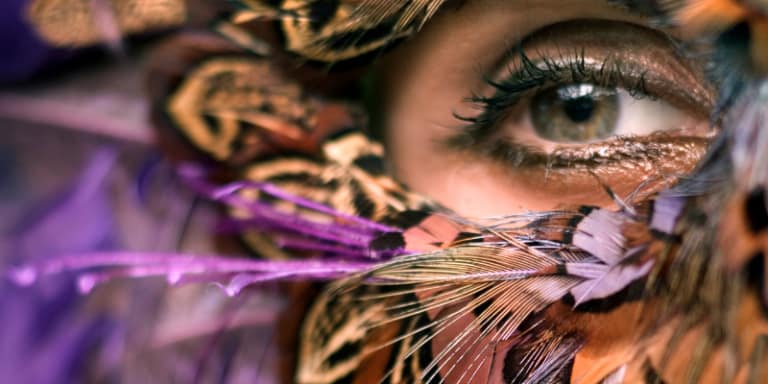
Brazil’s Carnival is one of the largest and most famous Carnival celebrations in the world, particularly in Rio de Janeiro and Salvador. It typically takes place in February or early March and features elaborate samba parades, street parties, and masquerade balls. Symbolic rituals during the Brazilian Carnival include the wearing of intricate costumes and masks. In addition to dancing to vibrant samba rhythms, which symbolise liberation, joy, and cultural expression.
Venice Carnival:
The Venice Carnival, held in the Italian city of Venice, is known for its opulent costumes. It includes masked balls and enchanting masquerade processions. Dating back to the Middle Ages, the Venice Carnival attracts visitors from around the world. They come to admire the elaborate masks and revel in the festive atmosphere. Symbolic rituals during the Venice Carnival include the wearing of masks. This is to subvert social hierarchies and explore hidden identities. Also, for participating in grand masquerade balls to showcase elegance and sophistication.
These cultural festivals and symbolic rituals in February provide opportunities for communities to come together. They get to express cultural identity and celebrate shared traditions. Whether through vibrant parades, elaborate costumes, or age-old rituals. These celebrations serve as reminders of the richness and diversity of human culture across the globe.
Tapping into our Mythological Archetypes: Exploring Personal Narratives to February
In February, several archetypal patterns emerge in our lives, offering opportunities for personal mythologies and self-discovery exercises. Here are some archetypal themes and corresponding activities for self-reflection and growth during this month:
The Seeker:
February often prompts a sense of seeking, as we navigate the darkness of winter in search of light and renewal. Embrace the archetype of the Seeker by embarking on a journey of self-discovery. Take time for introspection through journaling, meditation, or quiet contemplation. Ask yourself probing questions about your values, desires, and aspirations, and explore new avenues for personal growth and fulfilment.
The Lover:
With Valentine’s Day in February, the archetype of the Lover comes into focus. It invites us to explore the depths of our hearts and relationships. Reflect on your connections with others and with yourself. Engage in acts of love and kindness. Whether through spending quality time with loved ones, expressing gratitude, or practising self-love and self-care. Consider what qualities you seek in relationships and how you can cultivate more love and intimacy in your life.

The Phoenix:
Like the mythical phoenix rising from the ashes, February offers opportunities for rebirth and transformation. Embrace the archetype of the Phoenix by letting go of what no longer serves you and embracing new beginnings. Identify areas of your life where you feel stuck or stagnant. Consider what changes you can make to ignite your inner fire and rise anew. Engage in rituals of release, such as writing down limiting beliefs or fears and burning them as a symbol of transformation.
The Dreamer:
February’s introspective energy encourages us to tap into our dreams and imagination. Embrace the archetype of the Dreamer by exploring your inner world through creative expression. Write poetry, paint, dance, or engage in any form of artistic expression that speaks to your soul. Pay attention to your dreams and unconscious desires. You can use them as a source of inspiration and guidance on your journey of self-discovery.
The Alchemist:
In February, we have the opportunity to alchemise our experiences and emotions into wisdom and growth. Embrace the archetype of the Alchemist by embracing the process of inner transformation. Practice mindfulness and self-awareness, observing your thoughts and emotions without judgment. Cultivate resilience in the face of challenges, recognising that every setback is an opportunity for growth. Experiment with different self-discovery exercises. Perhaps try tarot or oracle card readings, astrology, or personality assessments to gain deeper insights into yourself and your path.
By exploring these archetypal patterns and engaging in self-discovery exercises during February, you can deepen your understanding of yourself. Subsequently, including your journey leads to greater fulfilment and personal growth.
Embracing the Mystical Essence of February for Self-Exploration and Transformation
February offers a mystical essence ripe for self-exploration and transformation, revealing intriguing links between this month and ancient mythology. As the winter chill persists. February serves as a canvas upon which individuals can delve into the depths of their inner selves. Drawing inspiration from symbolic motifs and archetypal patterns woven into the fabric of this time.
Symbolism saturates February, mirroring both the starkness of winter’s embrace and the promise of imminent renewal. From the frost-laden landscapes to the first stirrings of life beneath the snow. February embodies the delicate balance between darkness and light, offering a fertile ground for introspection and growth.
Mythological connections enrich the tapestry of February, intertwining with cultural traditions and spiritual practices across civilisations. From the Roman festival of Lupercalia, honouring the god Februus. The nurturing she-wolf, to the Celtic festival of Imbolc, venerating the goddess Brigid and the onset of spring’s awakening. Mythology infuses February with layers of meaning and significance.
Within the realm of myth, February finds resonance in tales of purification, fertility, and rebirth. Whether through the Roman rituals of cleansing and fertility during Lupercalia. Alternatively, through the Celtic rites of purification and anticipation of the coming spring. February myths evoke themes of transformation and renewal, inviting individuals to embark on their own journeys of self-discovery and evolution.

The Significance of Mythical Connections in February
The significance of February lies not only in its historical and mythological roots. It also lies in its capacity to catalyse personal growth and transformation. By embracing the mystical essence of this month, individuals can embark on a journey of self-exploration. Subsequently, they uncover hidden truths and awaken dormant potentials within themselves. This could include rituals of purification, creative expression, and introspection. February becomes a sacred space for unveiling the mysteries of the self and embracing the fullness of one’s being.
In essence, February stands as a threshold between the old and the new. A liminal space where the past converges with the present, and the seeds of the future take root. By embracing the rich tapestry of symbolism, mythology, and significance woven into this month, we can harness its transformative energy. We can embark on a path of self-discovery, healing, and growth. Ultimately, they emerge renewed and empowered as they navigate the ever-unfolding journey of life.