I just love chatting about topics that are maybe slightly out of the box. That’s why I love chatting to Deon Newbronner. We explore topics from our perspectives. Our perspectives… I may forget the words, like ‘synesthesia‘, as in our latest chat. I subsequently often find myself doubting whether what I mean comes across as such. That’s why our latest conversation was such an interesting journey in a way. We explore a little about how our words shape meaning.
There are so many aspects involved. To name a few:
- Firstly, culture
- Experience/history
- Perception
Culture
Having lived in a few cultures I can safely say that culture affects meaning greatly. I remember living in California in my early 20’s. My boyfriend at the time (a native Californian) had, for example, a slightly different idea of endearing language than me (an Afrikaans girl from small-town South Africa). This created a lot of debate. Similarly, currently living in Derbyshire comes with its challenges. Who knew being called a duck could, in fact, be a good thing.
These cultural differences can actually be drawn through to all branding, whether words, colours or possibly fonts. We all assign different meanings to them. For example, the colour white could mean purity for some or mourning for others.
Experience / History
Although we are not our past (if that even exists), we bring our previous experiences and history with us. It is debatable as to how far back this goes, but the words shape that meaning. Especially for people that are bilingual (or multilingual for that matter). Learning a language, like English, as a taught subject, with vocabulary dependent on reading a dictionary (yip, I did that), gives you a slightly different perspective than a native speaker. The native speaker is not even always aware of the ‘real’ meanings of those words. Yet they bring their previous experience and history with that language to the table. Also, certain words might evoke a certain memory. I think religion is probably a great example of that, however, there are countless. Current situations will probably have a vocabulary of their own. Where those words shape the meaning.
Perception
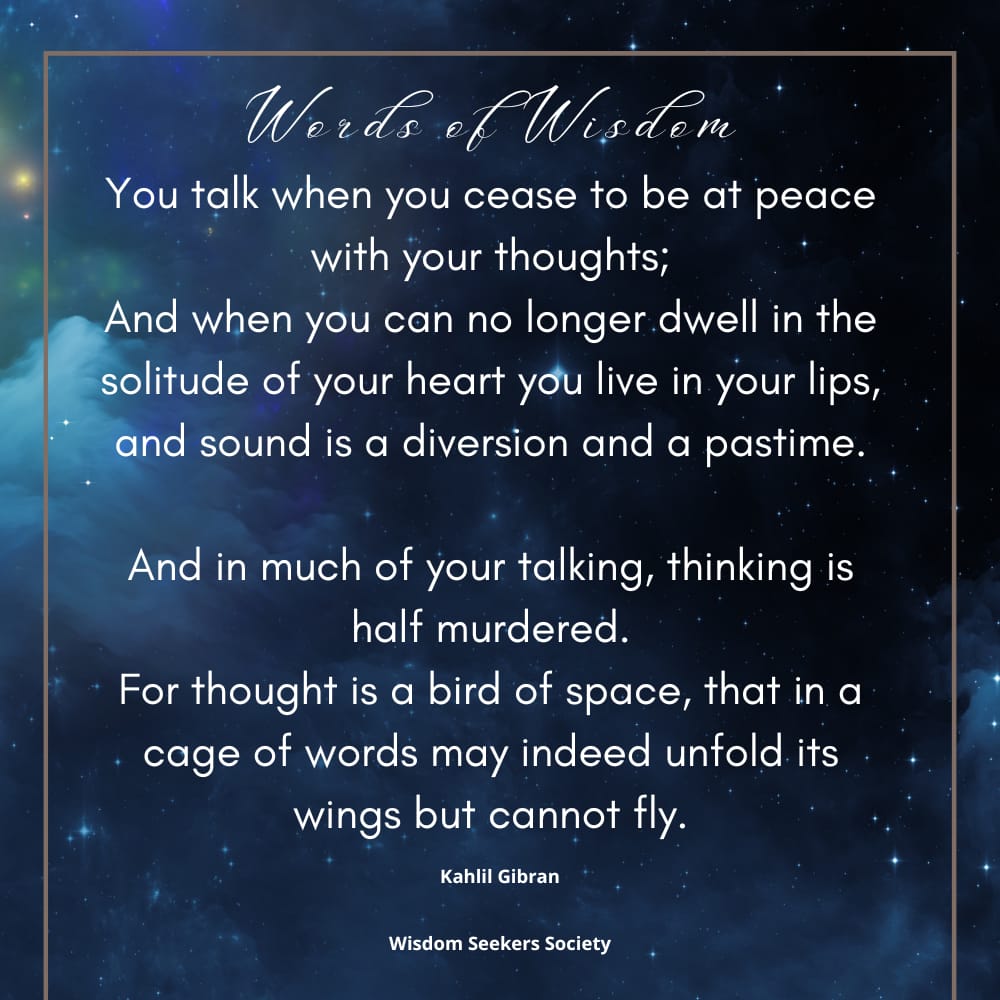
Perception might not even be the right word here… spot the problem. What I mean with this, though, is. I might not always hear what you mean. Instead, I hear what I think you are saying, and this is what Deon and I explored a lot.
This is something that happens a lot on social media and general communication these days. Our current state of existence means we are reliant on a lot of ‘superficial communication’. It is easy to misunderstand someone’s intentions. I find it quite tricky to communicate (more than before) without wanting to make sure that other people don’t misunderstand what I’m saying. There seems to be a trend towards segregation and fear, two things that are not in our best interest. Yet we accept it so easily. There is no right or wrong. There are different perceptions, and what we intend should open communication and understanding. If we (as a race) could maybe come to a mutual understanding of unconditional love, we could perceive what others are saying without becoming defensive and creating our own little boxes. Some of us don’t fit into those boxes, while others need them.
Have a listen to Deon and my conversation:
It was also such a great experience chatting with the guys from Magalies Potgooi this week. A podcast recording of an hour and forty minutes in Afrikaans. Trying to find the right words instead of using slang was tricky. Yet, I think, the slang brought an even clearer meaning as that has become something we understand even better. In this specific chat, we were 3 native Afrikaans speakers. One in Canberra, Australia, one in Belgium and me, in Derbyshire, England. Our experience of the language and its meaning might influence the way we use it.
Could it all be related to our need to belong?